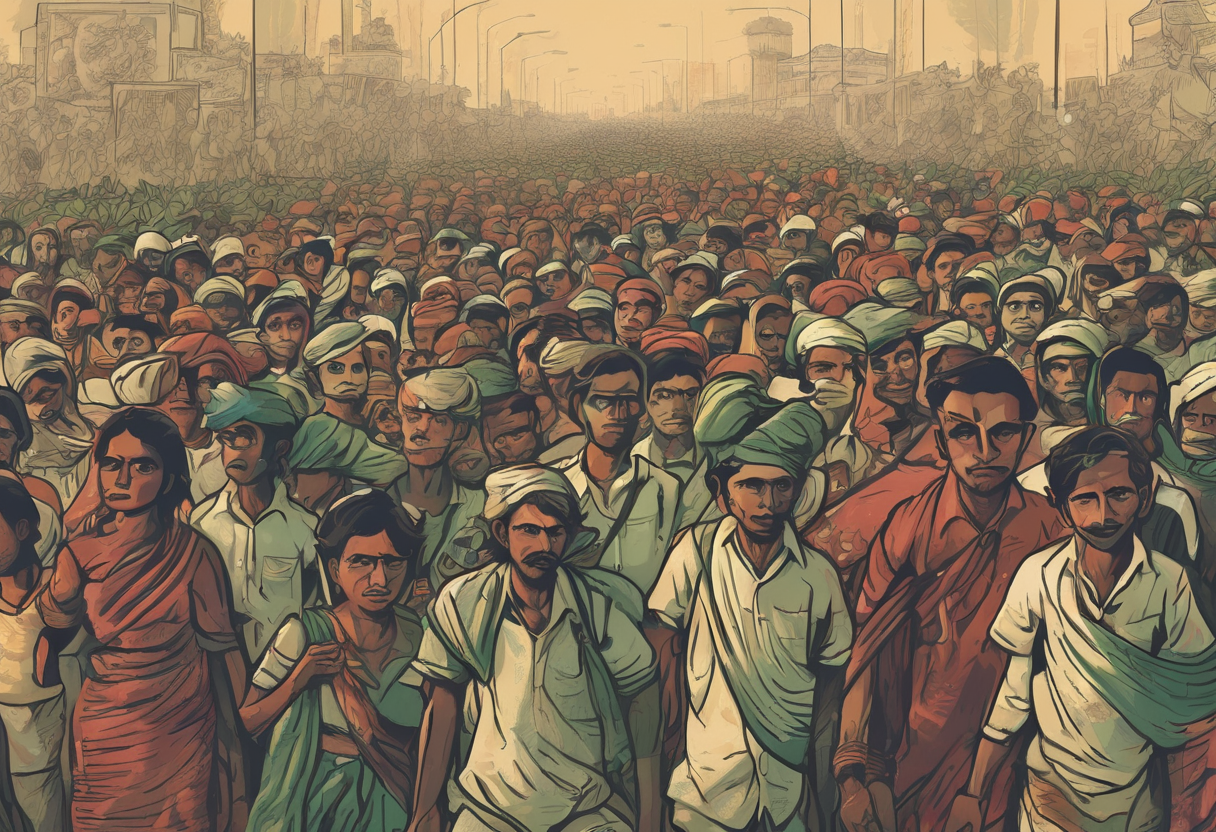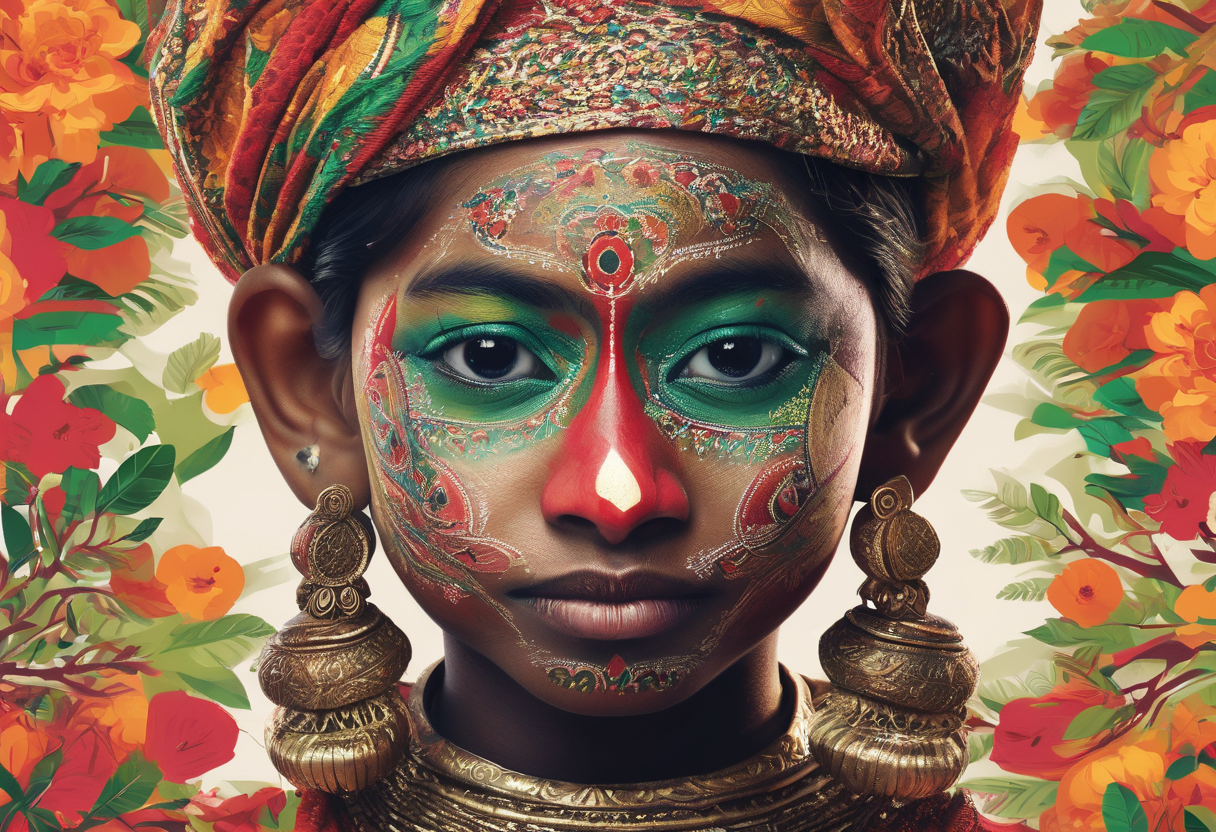
Bangladesh, a country located in South Asia, is known for its rich and diverse culture. It is a melting pot of different ethnicities, languages, religions, and traditions. Bangladeshis take great pride in their cultural heritage and celebrate it with great enthusiasm and passion.
The cultural diversity of Bangladesh can be seen in various aspects of daily life. The country is home to people of different religions such as Islam, Hinduism, Buddhism, and Christianity. Each religion has its own unique customs, beliefs and festivals, which are celebrated with equal fervor by everyone. This diversity is also reflected in the art, music, and cuisine of Bangladesh. Traditional crafts like pottery, weaving, and woodwork are still practiced in many parts of the country, showcasing the skills and creativity of the local people.
One of the most important and widely celebrated festivals in Bangladesh is Pohela Boishakh, the Bengali New Year. On this day, people from all backgrounds come together to celebrate with colorful parades, traditional food, and music. Another notable festival is Eid-ul-Fitr, which marks the end of the holy month of Ramadan for Muslims. People of all religions come together to share meals and exchange gifts, promoting love and unity among different communities.
The cultural diversity of Bangladesh also extends to its traditional clothing. The colorful sarees, lungis and dhotis, and the intricate designs of Jamdani and Nakshi Kantha are all an integral part of the country’s cultural identity. Not to mention, the mouth-watering cuisine of Bangladesh, which is influenced by various cultures and has something to offer for every taste bud.
Moreover, Bangladesh is home to 8 UNESCO World Heritage Sites, which include magnificent mosques, temples, and ancient ruins. These sites not only showcase the country’s rich cultural history, but also attract tourists from all over the world, making Bangladesh a truly diverse and welcoming destination.
In conclusion, the cultural diversity of Bangladesh is something to be celebrated and cherished. It has played a vital role in shaping the country’s identity and continues to bring people of different backgrounds together. By celebrating and embracing this diversity, we can promote mutual understanding and create a more harmonious and inclusive society for all.